Key Takeaways
- Transition lenses stay clear indoors and darken outdoors in sunlight.
- They combine prescription glasses and UV protection in one pair.
- The lenses help block UV rays and can ease strain when you move between bright and dim spaces.
- Car windshields and cold weather can affect how dark the lenses get.
- An eye exam can help you choose lens options to fit your routine.
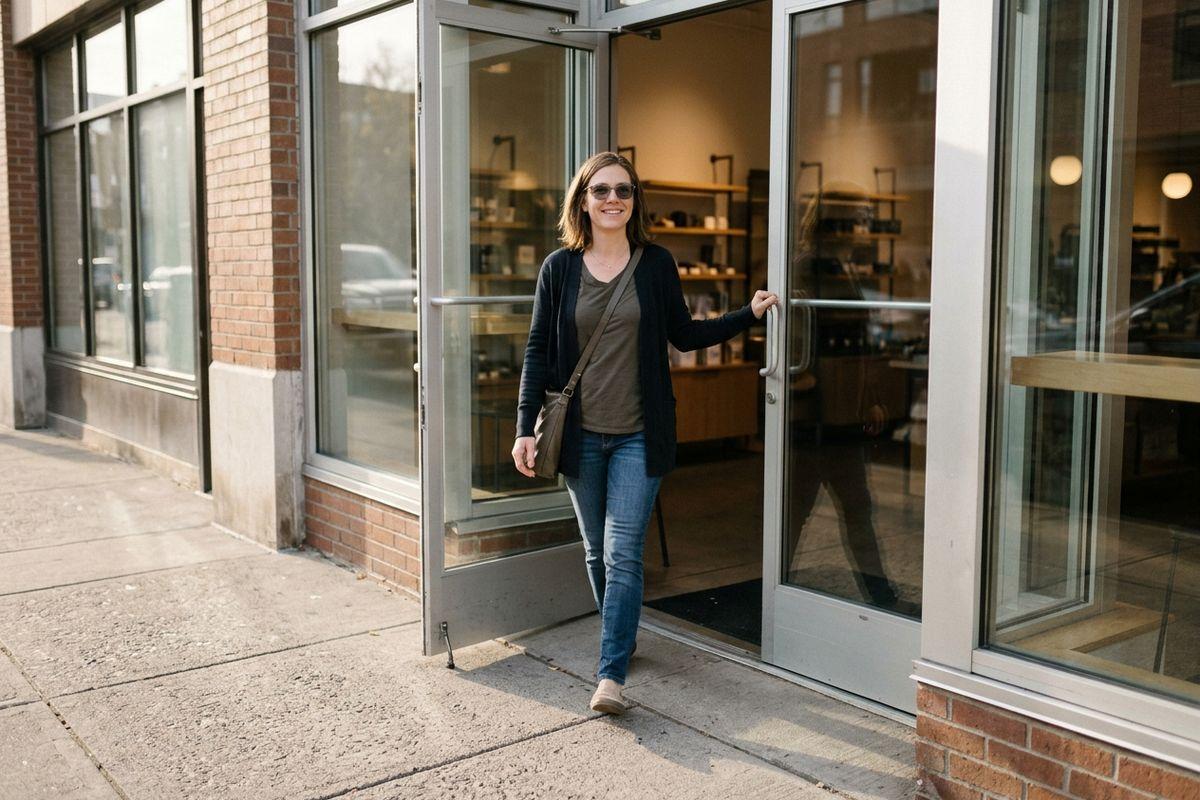
You step out of a bright grocery store into the afternoon sun and squint while you dig through your bag for your sunglasses. Then you head back inside, take them off, and swap back to your regular glasses. Many patients at Forest City Optometry get frustrated with this daily juggle, and transition lenses offer a simple way to simplify the number of frames you have.
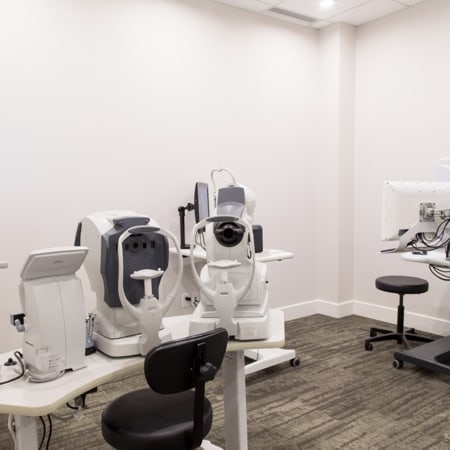
Transition lenses are glasses that stay clear indoors and darken on their own in sunlight. They’re also called photochromic or light-adaptive lenses, and our team can talk you through them during adult and senior eye exams or children’s eye exams.
An Overview of Transition Lenses
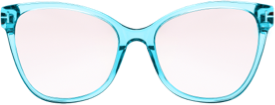
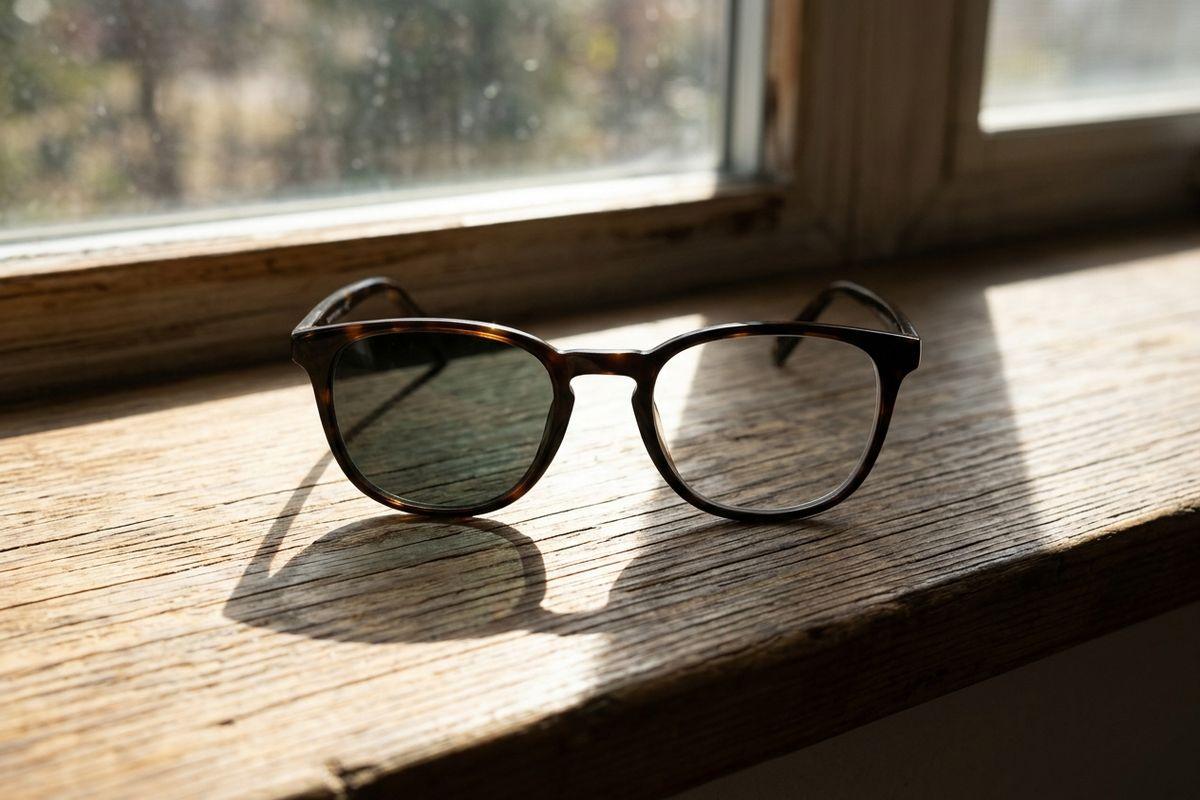
Think of transition lenses as prescription glasses and sunglasses combined into 1 pair. You get clear vision at your desk, then a tinted lens on the sidewalk, without needing to swap anything.
How Transition Lenses Respond to Light
The lenses contain light-sensitive molecules that react to the sun’s UV rays. On a bright July afternoon, the tint turns darker. On a cloudy morning, they’ll stay lighter. Once you go indoors or into the shade, the lenses usually return to normal within a few minutes.
Benefits of Transition Lenses for Your Eyes
UV Protection and Comfort
When the lenses darken outdoors, they help block UV rays from reaching your eyes. They also filter some blue-violet light from the sun and from screens.
Comfort matters too. You may notice less strain as you move from a bright patio into a dim restaurant.
Convenience for Your Day
One pair handles indoors and outdoors, so you carry fewer glasses and spend less time switching between them.
Kids can enjoy the same ease. A child can go from the classroom to the playground at recess without stopping to trade glasses, which can help make family eye care simpler for busy parents.
Transition Lenses vs. Sunglasses and Polarized Lenses
How They Compare to Sunglasses
When the tint darkens, transition lenses work like sunglasses for UV protection. However, standard transition lenses aren’t polarized, so they handle glare off a lake or a wet road differently than polarized sunglasses do.
Some options add polarization to help cut that glare.
Lens Options for Different Needs
You can choose from several options to match your vision and style:
- Transition lenses are available with progressive lenses and bifocals.
- Tint colours are available in eight options for progressive and single-vision lenses, while bifocal lenses are available in grey and brown only.
- Some types are designed specifically for behind car windshields, which can be helpful for those who drive a lot.
What Affects How Transition Lenses Perform?
A few everyday conditions can change how dark your lenses get:
- Car windshields block some UV, so standard lenses may darken less while you drive.
- Cold weather can make the lenses take longer to change.
How Long Do Transition Lenses Last?
Performance may fade after about 2 to 3 years, as the photochromic molecules begin to lose their effectiveness. Scheduling regular eye exams gives you a natural time to update your lenses alongside any prescription changes.
Simple Care Tips
Gentle cleaning helps keep your lenses clear, and you can follow these steps at home:
- Rinse your lenses with lukewarm water.
- Clean them gently with mild dish soap.
- Dry them with a soft microfibre cloth.
Who Can Benefit from Transition Lenses?
You might enjoy transition lenses if any of these sound familiar:
- You often move between indoors and outdoors during the day.
- You or your child has light sensitivity.
- You want glasses and sun protection together in one pair.
Find Your Fit with an Eye Exam
An eye exam helps your eye doctor match your prescription and daily routine to the lens options that suit you. If you’re searching for eye exams in London with low wait times, Forest City Optometry offers personalized vision care for every stage of life. Book your eye exam online today and ask our team which transition lenses fit your lifestyle.