
Key Takeaways
- Your eyes rest, rehydrate, and repair while you sleep.
- Too little sleep can lead to dryness, redness, blurry vision, and eye twitches.
- Poor sleep over time is linked to a higher risk of glaucoma.
- Sleep apnea can affect your eyes and may show up during a routine eye exam.
- Aiming for 7 to 9 hours of sleep each night supports long-term eye health.
Your Eyes Need Sleep to Stay Healthy
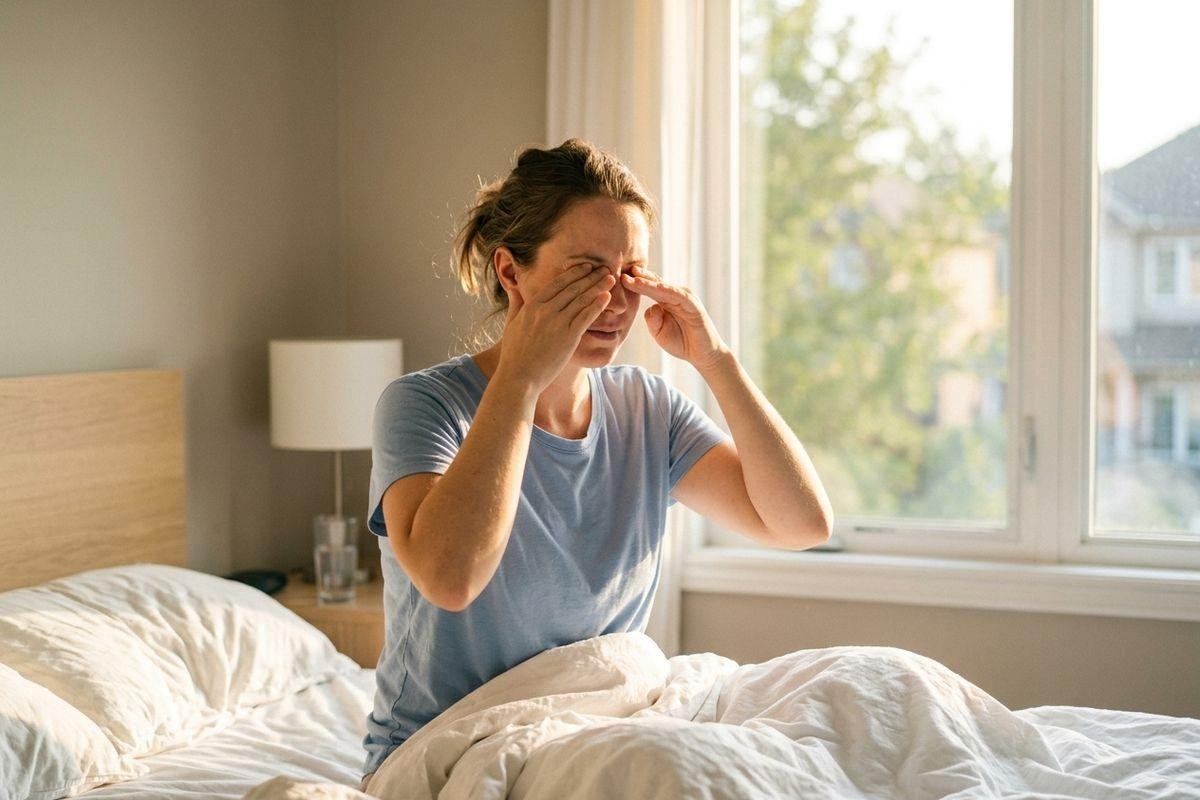
You wake up after a rough night, and your eyes feel scratchy, heavy, and slow to focus. It’s easy to brush this off as tiredness, but your eyes are trying to tell you something important.
Sleep gives your eyes the time they need to rest, rehydrate, and repair. When sleep gets cut short, your eyes feel the effects, both in the short-term and the long-term. Whether you’re noticing daily discomfort or want to protect your vision for the years ahead, our team at Forest City Optometry can provide personalized, comprehensive eye care to help you stay on top of changes before they become bigger concerns.
What Happens to Your Eyes While You Sleep
While you sleep, your eyes go through a quiet but important recovery process. They’re closed off from light, dust, and screen exposure, giving them a break from constant stress. Your tears help keep the surface of your eyes healthy and hydrated overnight.
When you don’t get enough sleep, that recovery window shrinks. Your eyes don’t get the full repair cycle they need, and you really feel it the next morning. Over time, repeated short nights add up to real wear on your eyes.
Signs Your Eyes Are Short on Sleep
Short-Term Symptoms to Watch For
After a poor night’s rest, your eyes might exhibit uncomfortable symptoms, including:
- Dryness, itchiness, or redness when you wake up
- Blurry vision or difficulty focusing on text
- Higher sensitivity to light, especially in bright spaces
These symptoms are your eyes’ way of signalling that they didn’t get enough time to recover. Most of these symptoms will resolve once you get proper rest, but it’s still worth paying attention to how your eyes feel. Ongoing dryness may point to an underlying condition.
Involuntary eye twitching is another sign of a long, stressful week or lack of sleep. In fact, fatigue is one of the most common factors linked to eye twitching. The good news is that it’s usually temporary and tends to settle down once you catch up on sleep.
If eye twitching happens often or doesn’t go away with rest, mention it to your care team during your next eye exam. Some persistent twitches may be worth looking into, in which case a comprehensive adult eye exam can help identify what’s going on.
Long-Term Eye Health Risks of Poor Sleep
The Link Between Sleep & Glaucoma
Glaucoma is a condition where pressure in the eye builds up and can damage the optic nerve over time. Poor sleep patterns have been linked to elevated eye pressure, which is a key factor in glaucoma development. Getting consistent, quality sleep each night is one simple way to support healthy eye pressure levels.
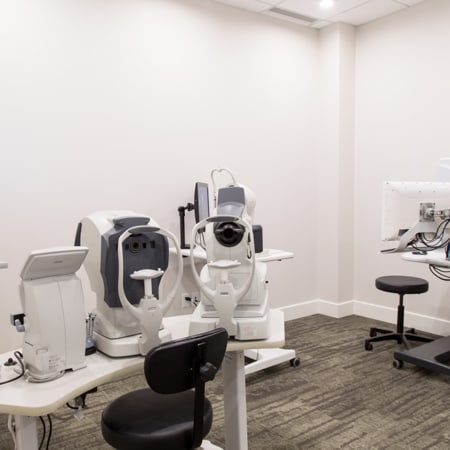
Regular eye exams help monitor your eye pressure and catch early signs of change before they become a bigger concern. At Forest City Optometry, we use modern diagnostic technology to track changes to your eye health over time.
Too Much Sleep & Your Eyes
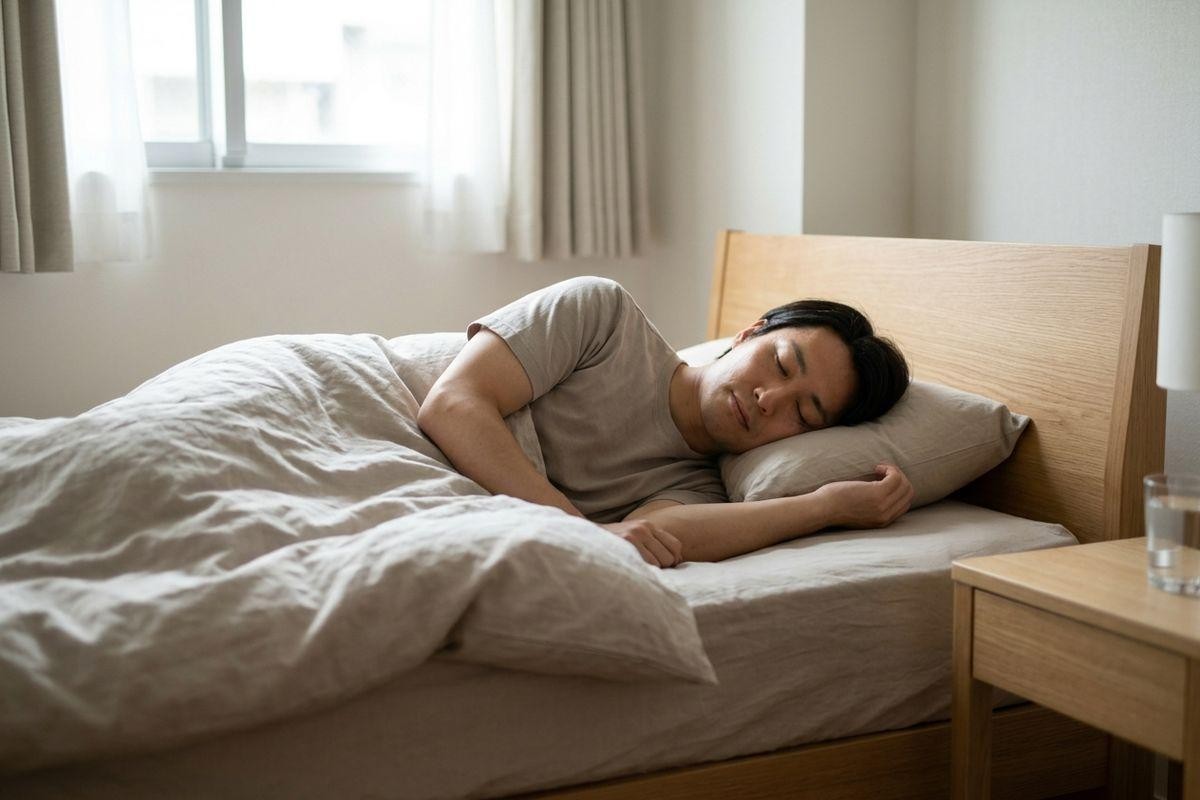
It might seem like more sleep always means better eye health, but the relationship is more nuanced. Both too little and too much sleep have been associated with negative effects on eye health, though the link with too little sleep is much stronger. The target range for most adults is between 7 to 9 hours per night.
Consistency matters just as much as quantity. Going to bed and waking up at the same time each day helps your body, including your eyes, follow a steady recovery rhythm.
Sleep Apnea & Your Eye Health
Sleep apnea is a condition where breathing repeatedly stops and starts during sleep. It’s considered a risk factor for glaucoma, partly because of how it affects oxygen levels and circulation during the night.
A routine eye exam can pick up on signs like optic nerve changes, eyelid issues, or other clues that point to undiagnosed sleep apnea, so your optometrist can guide you toward the right next step.
Simple Habits to Support Your Eyes
Daily Routine Adjustments
Limiting screen use at least 1 hour before bed can help you sleep better, since the blue light from screens suppresses melatonin and makes it harder for your body to wind down.
If you wear contact lenses, always remove them before sleeping. Sleeping in contacts reduces oxygen flow to the eye and raises the risk of irritation and infection.
When to Book an Eye Exam
Some symptoms are worth getting checked out sooner rather than later. Reach out to book an eye exam if you notice:
- Persistent dryness or redness that doesn’t improve with rest
- Blurry vision that lingers into the day
- Frequent eye twitching or discomfort
Forest City Optometry offers eye exams in London, ON with low wait times and same-day options for urgent eye care. You can book an eye exam online for fast, convenient access to personalized vision care, whether it’s a routine check or something that needs attention right away.