
While taking contacts out might feel like a chore at the end of a busy day, this simple habit protects your eyes overnight and over the long term. That small decision can have a real impact on how your eyes feel the next morning.
Sleeping in contact lenses is not recommended for most wearers, as it reduces oxygen to the eyes and raises the risk of irritation and infection. If you’re already noticing discomfort, contact lens exams and fittings can help identify whether your current lenses and wear habits are working for your eyes.
Why Sleeping in Contacts Affects Your Eyes
Your eyes need oxygen to stay healthy, and contact lenses already reduce the airflow reaching your cornea throughout the day. When you close your eyelids to sleep, that oxygen supply drops even further, which leaves your cornea with very little to work with.
At the same time, moisture levels in your eyes fall while you sleep. With a lens sitting on the surface, friction increases, and your eyes can become dry and irritated before you even wake up.
Your eyes often give clear signals when something’s off. After sleeping in contact lenses, you might notice:
- Redness, dryness, or blurry vision on waking
- Discomfort or a gritty, scratchy feeling
These reactions mean your eyes didn’t get what they needed overnight. You should take those signals seriously instead of waiting to see if they pass. Keep in mind that redness and irritation aren’t always what they seem. What looks like a minor reaction can sometimes point to an issue that needs professional attention.
The Risks of Wearing Contacts Overnight
Short-Term Effects
Even a single night of wearing contacts can lead to corneal irritation from reduced oxygen flow. Your cornea may swell slightly, making your vision feel off and your eyes look red and uncomfortable in the morning.
Eye infections are also more likely when lenses stay in overnight. Bacteria that would normally be flushed away can build up under the lens while you sleep, increasing your chances of developing an infection. Proper contact lens care, like removing lenses before bed, is an easy way to keep that risk low.
Potential Long-Term Concerns
Repeated overnight wear over weeks or months can cause gradual corneal damage. What starts as occasional redness can develop into more persistent issues that affect how comfortably you wear lenses in the future.
Dry eye symptoms can also worsen with ongoing lens use, especially when you wear lenses longer than recommended. If your eyes already feel dry throughout the day, sleeping in contacts tends to make the problem worse over time, creating a cycle that may be hard to break without professional treatment.
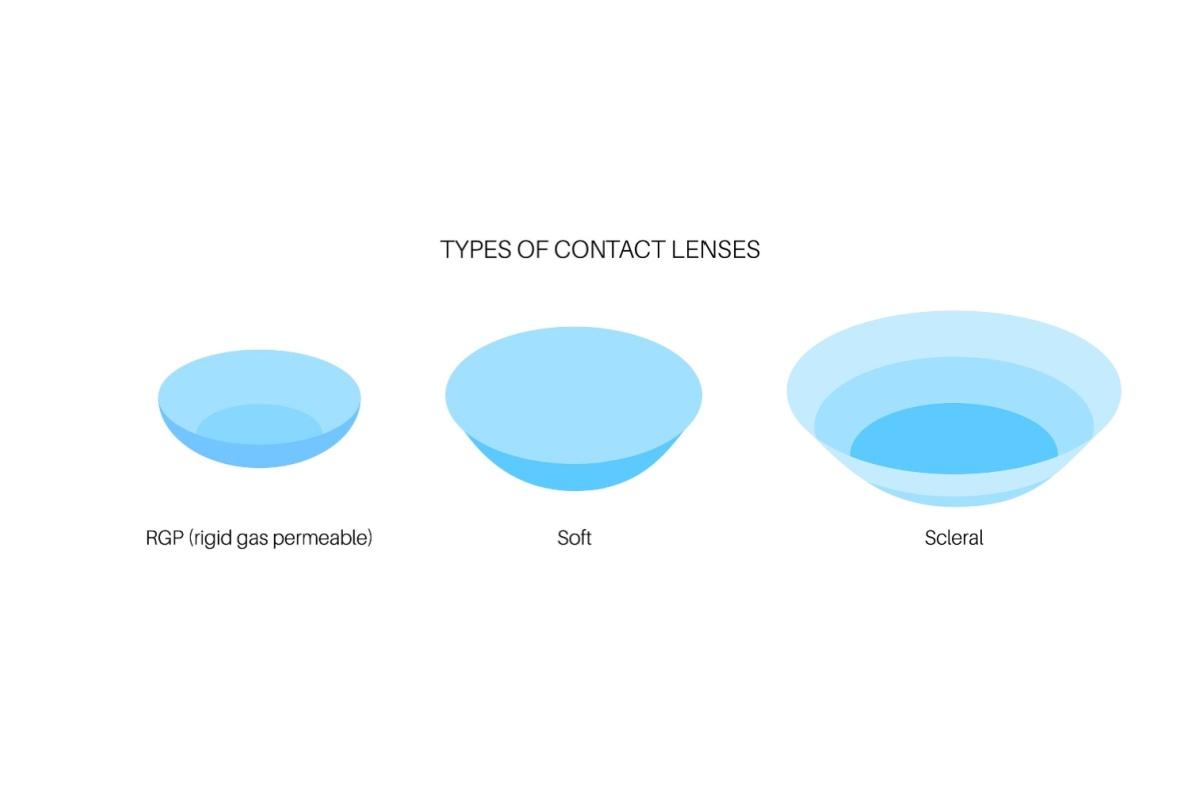
Types of Contact Lenses and Their Overnight Rules
Daily & Standard Soft Lenses
Most contact lenses, including daily disposables and standard soft lenses, aren’t designed for overnight or extended wear. You need to remove these lenses before you sleep, no matter how short the nap.
Wearing them longer than intended puts extra stress on the cornea and reduces the lens’s ability to move and breathe properly on your eye. You should also know that contact lenses expire, and wearing contaminated material adds another layer of risk on top of overnight wear.
Extended Wear Lenses
Manufacturers have approved some lenses for limited overnight use. This includes certain extended-wear soft lenses that allow more oxygen to pass through the material. These differ from standard lenses and don’t suit everyone.
Ortho-K Lenses
Ortho-K lenses represent an entirely different category. You wear them overnight on purpose to gently reshape the cornea and support myopia control. A contact lens exam can help us determine which lens type and wear schedule fits your eyes and lifestyle.
Healthy Habits for Contact Lens Wearers
The single most effective habit is removing your lenses before sleeping, and this rule applies to short naps as well. Even an accidental nap with contacts in reduces oxygen enough to cause irritation.
Following the recommended replacement schedule is equally important. Using lenses past their intended lifespan means wearing degraded material that feels harder on your eyes. If you’re weighing whether contacts or glasses suit your lifestyle better, consider the pros and cons of each to help you decide.
Finally, regular eye exams help track any changes related to lens wear before they become bigger concerns. Your optometrist can spot early signs of dryness, fit issues, or corneal stress during a routine visit.
Prioritize Your Eye Health
Some symptoms after wearing contacts require a prompt check-in with your optometrist. Watch for:
- Persistent redness or discomfort after you remove your lenses
- Blurred vision that doesn’t clear after taking your lenses out
- Any sudden changes in how your eyes feel or look
If you experience any of these issues or simply need to update your prescription, our friendly team at Forest City Optometry is here to help. Our contact lens exams assess the fit, type, and wear schedule that suits your eyes so you never have to guess what’s safe. We also provide dry eye management and urgent care services for sudden concerns.
Book your next appointment with Forest City Optometry today to keep your eyes feeling healthy!